A fresh coat of paint can make tired cabinets feel like they belong in a brand-new kitchen. Repainting kitchen cabinets and cupboard doors costs far less than replacing them, and it gives you more freedom with colour and finish. Still, kitchen cabinets deal with grease, steam, and daily wear, so getting a durable result comes down to good prep and the right products.
This guide covers the key steps for repainting kitchen cabinets and cupboard doors, along with the best paints for different surfaces and finishes.
Tips on Repainting Kitchen Cabinets & Cupboards
Remove and label doors and hardware
Take off the cupboard doors, drawers, and any handles or knobs so you can paint on a flat surface. Label each piece and its screws with masking tape, then keep all hinges and hardware somewhere safe.
Degrease and clean thoroughly
Kitchen doors pick up grease and grime, especially around handles and near the hob. Clean them properly with sugar soap or a specialist degreaser, rinse with clean water, and let everything dry fully.
Sand to key the surface
Lightly sand the doors and frames so the new coating has something to grip to. You do not need to strip everything back to bare wood. Just take the shine off glossy finishes, then vacuum or wipe away the dust.
Apply a suitable primer
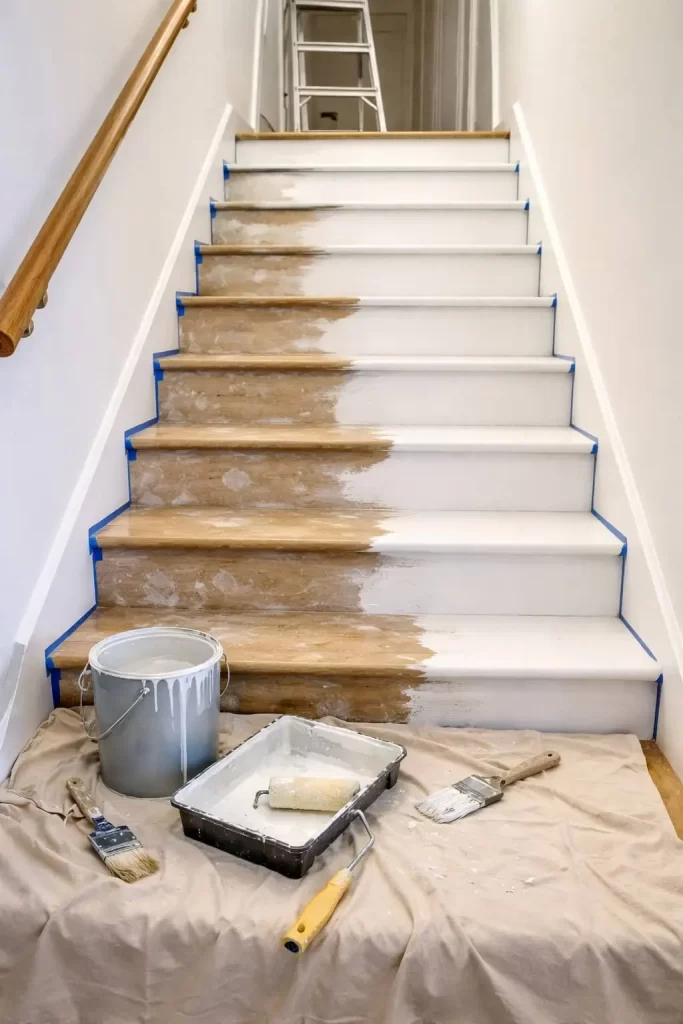
Primer helps the paint bond properly and improves colour depth, especially if you are making a big colour change. At Carlo Picasso Decorators, we suggest using a dedicated primer if you are moving from dark to light colours or painting knotty wood. A water-based, all-surface primer tinted close to your chosen colour can also reduce the number of topcoats.
Use thin coats and allow proper drying time
Apply two or more thin coats and give each one enough time to dry. Paint in the direction of the wood grain and leave two to four hours before the second coat. Avoid brushing or rolling over paint that is already drying, as this can leave ridges and brush marks.
Consider a protective top coat
Even if your cabinet paint is sold as tough, an extra top coat can improve durability. A clear satin or matt varnish can help seal in the colour and reduce the look of fingerprints.
Allow enough curing time
Paint needs time to harden fully. Wait at least 24 hours before reattaching doors and hardware. If you can, leave it for a few more days before heavy use so the paint has more time to cure and resist chips.
Best Paints for Kitchen Cabinets & Cupboards
The best paint for kitchen cabinets & cupboards are those designed to give you a durable finish that stands up to everyday wear and tear. Here are some of the best options:
Waterborne alkyd or hybrid enamels
Modern waterborne alkyd paints combine the lower odour and faster drying time of water-based paints with the hardness of oil-based enamels.
Cabinet paints are commonly made as oil-based enamels, acrylic enamels or waterborne alkyd enamels because they offer strong durability and a smooth, self-levelling finish.
Acrylic eggshell or satin paints
Acrylic eggshell or satin emulsions give you a wipeable finish with a softer sheen. Satin paint can go straight onto many surfaces without a separate primer and dries within two to four hours.
For laminate or melamine doors, use a specialist cabinet paint made to grip smooth surfaces.
Traditional oil-based enamels
Oil-based or solvent-borne enamels dry to a hard, furniture-grade coating. They help stop doors from sticking and level out brush marks well, but they take longer to dry and have a stronger smell.
They also give a harder, more durable finish than many water-based or acrylic paints.
Low-VOC and all-in-one paints
If you want a quicker project with less odour, look for low-VOC cabinet paints with a built-in primer. Some water-based formulas can cover lighter colour changes in one coat and dry to a tough, washable finish.
These can work well for small kitchens or quick refreshes, though a separate primer and multiple coats may still give you a more durable finish over time.
Ready to Transform Your Kitchen?Hiring experts like us at Carlo Picasso Decorators to repaint your kitchen cabinets takes the guesswork out of the job and helps you achieve a factory-smooth finish. Get in touch today and let’s get your project moving. GET A FREE QUOTE OUR PAINTING SERVICES |
Frequently Asked Questions (FAQs)
Yes. Light sanding removes sheen and gives the primer something to grip. You do not need to sand back to bare wood, but skipping this step may cause the new paint to peel.
Cabinet paints are usually formulated as oil-based enamel, acrylic enamel, or waterborne alkyd enamel because they provide a durable, smooth finish. For most homes, a satin or semi-gloss waterborne alkyd offers good durability with lower odour and quicker drying.
If you are making a drastic colour change or painting knotty wood, apply a water-based primer first. Some self-priming cabinet paints can skip this step on previously painted or laminate surfaces, but a separate primer often improves adhesion and coverage.
For the longest-lasting finish, yes. Even paints marketed as self-sealing can benefit from an additional clear varnish or top coat to help resist grease and fingerprints.