Bathrooms are tough on paint. Steam, moisture and regular cleaning can wear down the wrong finish, leaving it prone to peeling, fading or mould. That’s why choosing the right type of bathroom paint matters.
In this guide, we’ll look at the main bathroom paint options, which finishes work best on walls and ceilings, and how to choose the right one for your space.
Types of Bathroom Paint By Surface
1. For Walls
Mould-resistant bathroom paint
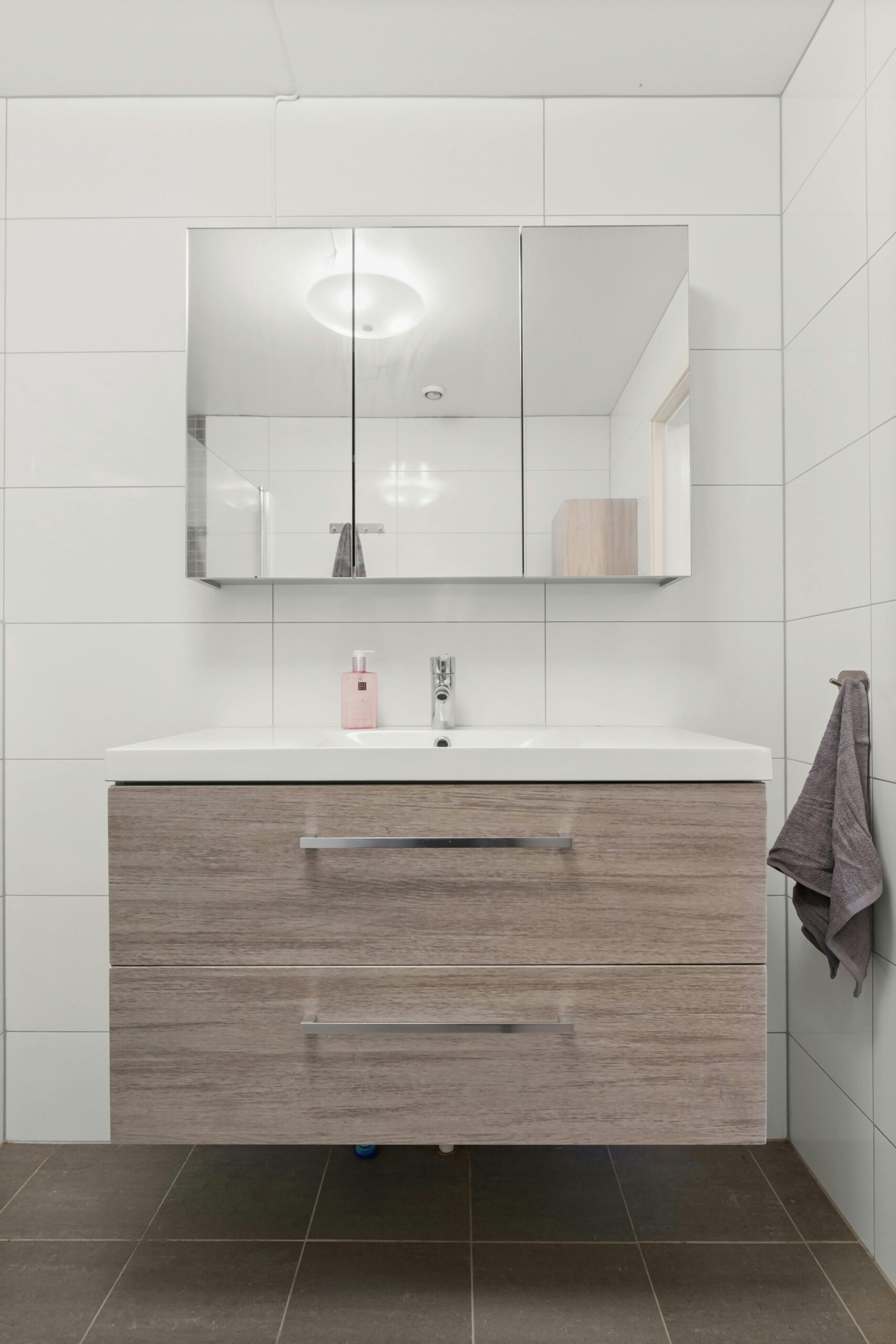 | For bathroom walls, we recommend using a specialist mould-resistant interior paint rather than a standard durable matt. A good bathroom paint should be water-based, low-odour, washable, scrubbable, stain-resistant and moisture-resistant. It should also contain a biocide to protect the dried coating against fungal degradation. |
Matt and satin finishes
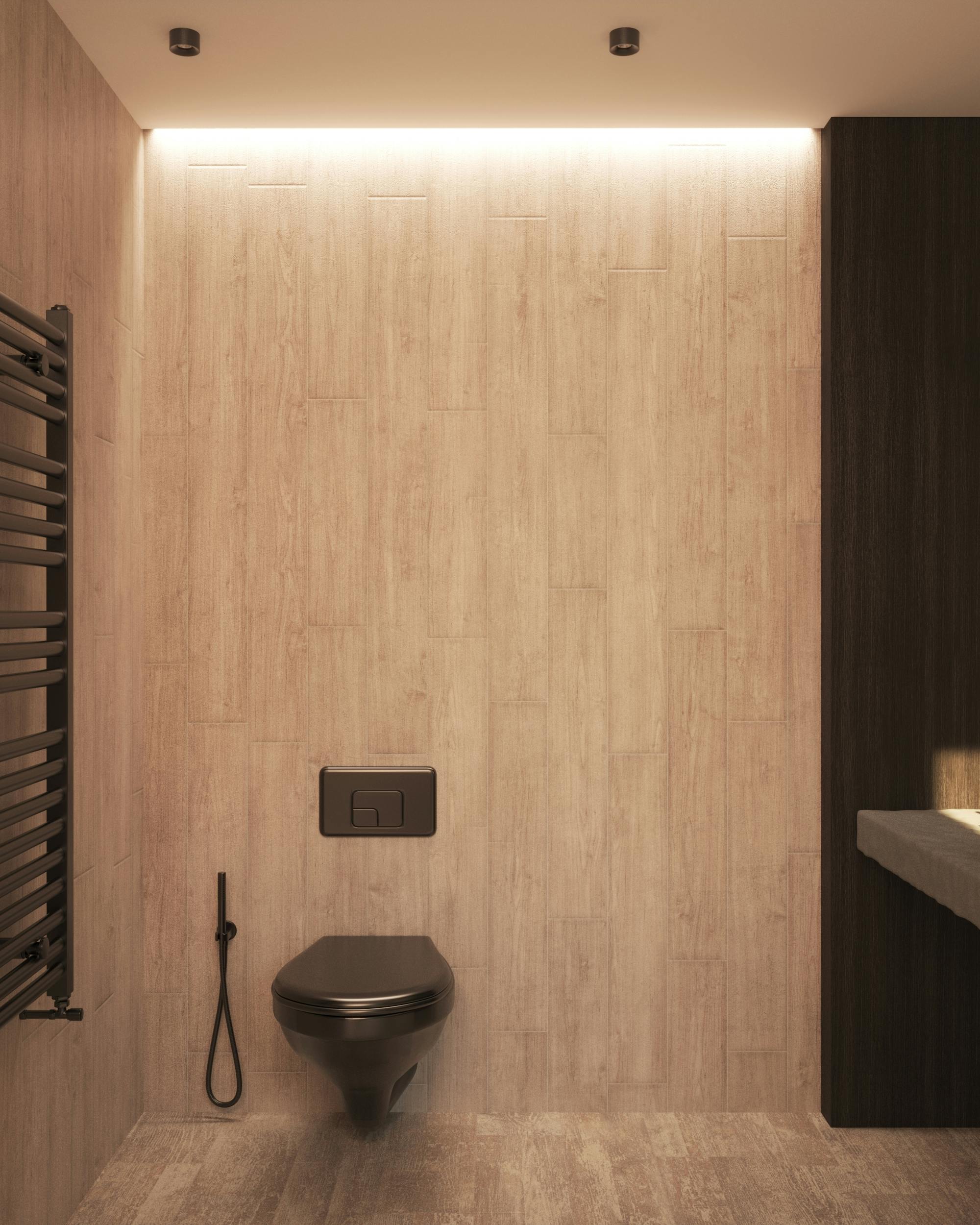 | Once you have the right paint type, the next thing to consider is the finish. Bathroom paint is commonly available in matt and satin. Matt gives a softer, low-sheen look, while satin has a smoother finish that is easier to wipe clean.Both can work well when the paint is made for high-humidity areas and designed to resist cracking, peeling and blistering for up to seven years before first maintenance. |
Self-priming paint
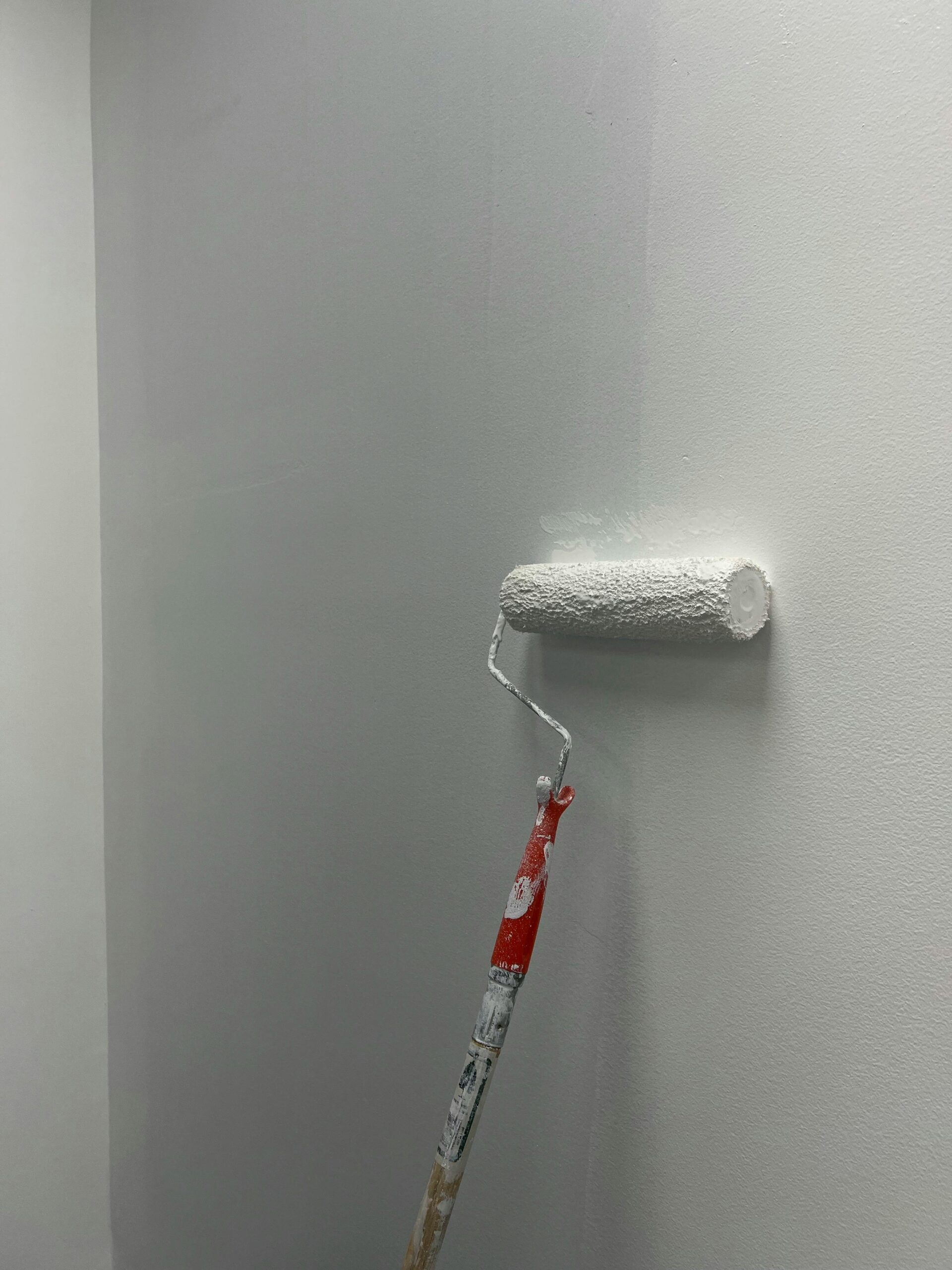 | Some bathroom paints are self-priming and can stick to the surface without sanding. This can make the job simpler, but the surface still needs to be clean, dry and sound before painting.A fade-resistant finish can also help the colour hold up better over time. |
Trade vs retail
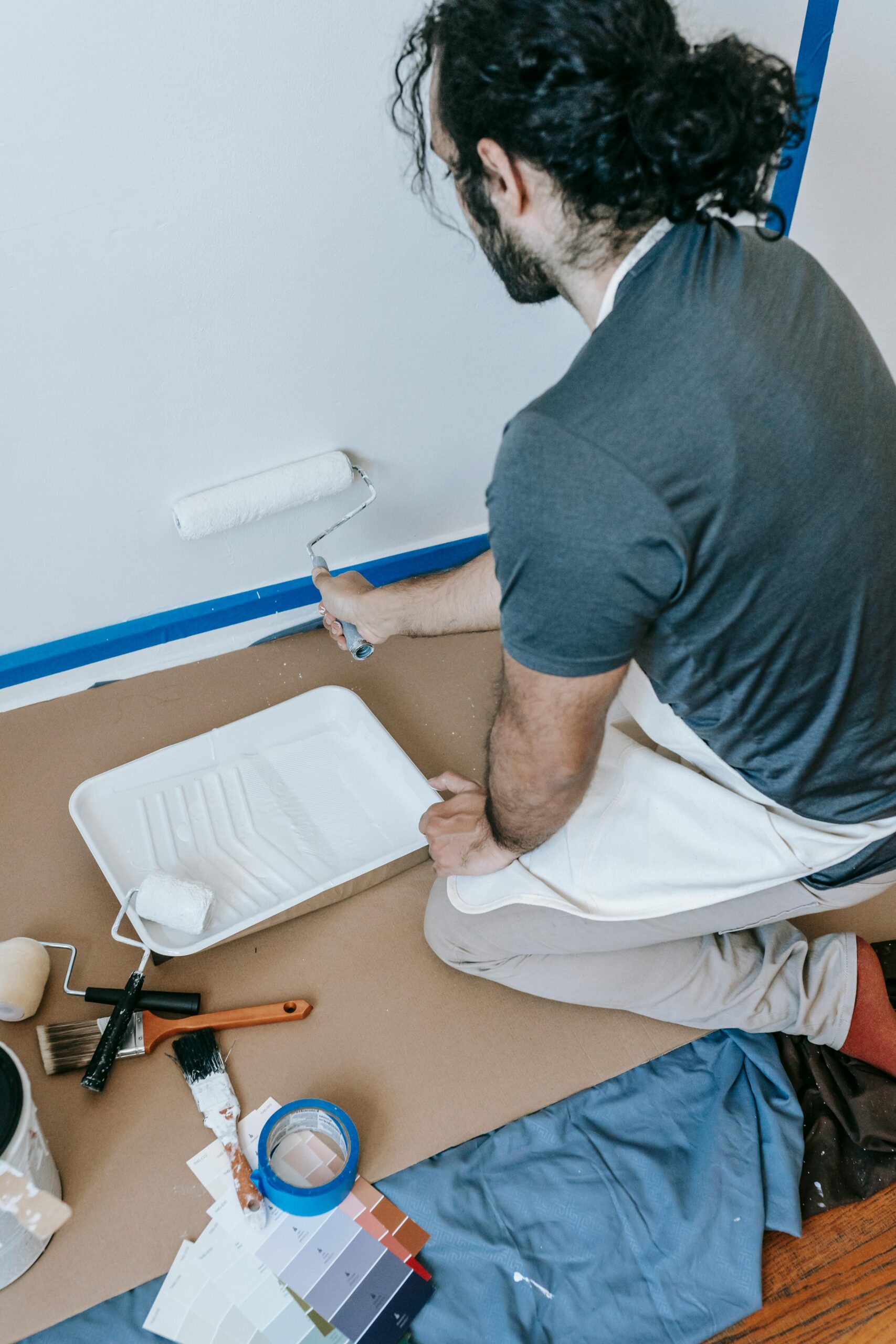 | Decorators usually favour trade paints over basic retail ranges. They cost a little more, but you normally get better durability, coverage and finish. You also get products made for tougher rooms, including kitchens and bathrooms. |
2. For Ceilings
Bathroom ceilings deal with hot steam and trapped moisture, so they need more protection than a standard ceiling emulsion can offer. In this kind of environment, standard paint can peel or stain, which is why it is better to use a paint designed for bathrooms.
Choose a water-based, low-odour, mould-resistant paint with a moisture-resistant finish. For best results, look for a paint film designed to resist cracking, peeling and blistering for up to seven years before first maintenance.
Matt or satin for bathroom ceilings
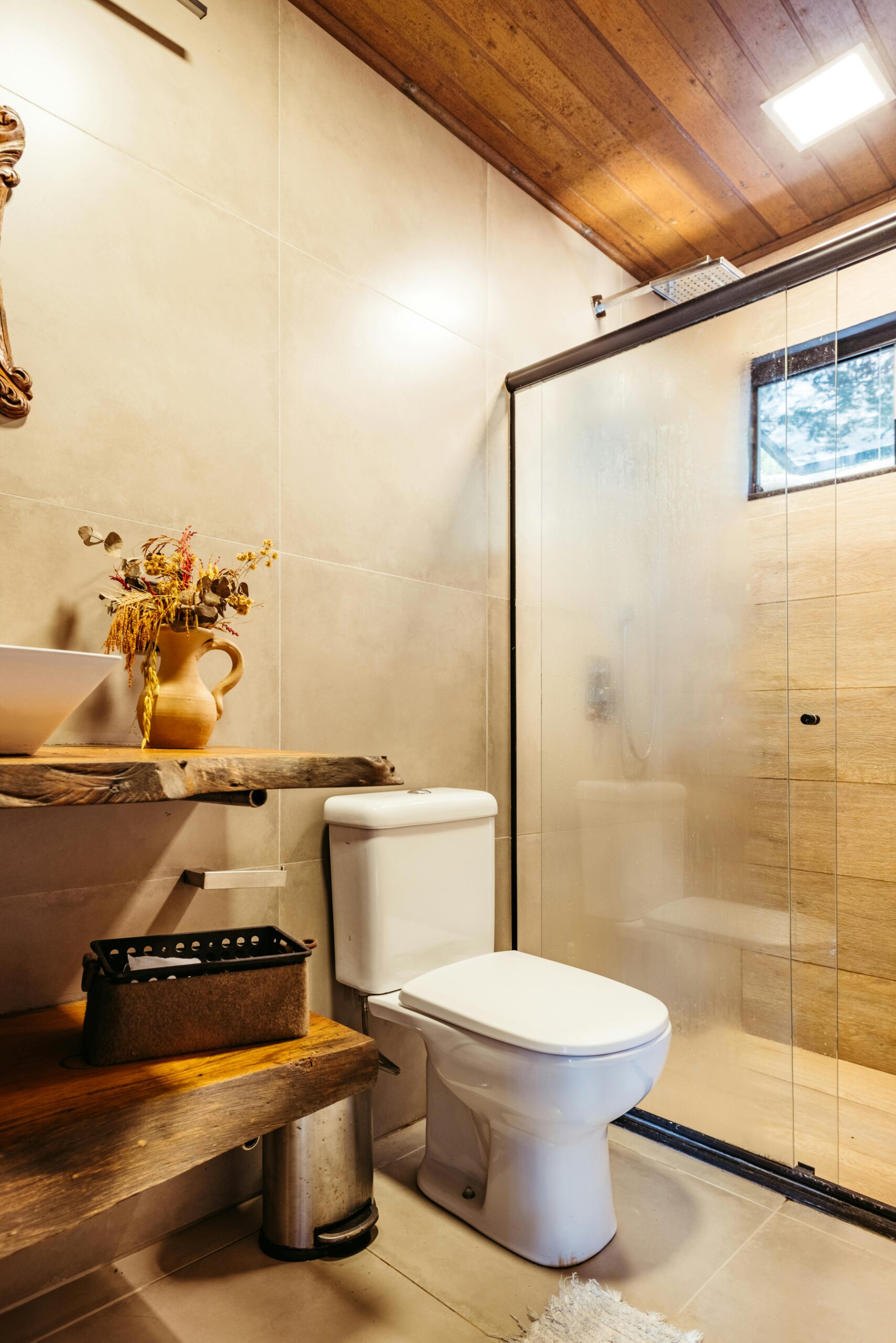 | Matt and satin finishes can both work on bathroom ceilings when the paint is designed for high-humidity areas. Matt gives a softer, low-sheen look, while satin is easier to wipe clean. |
Primer is important
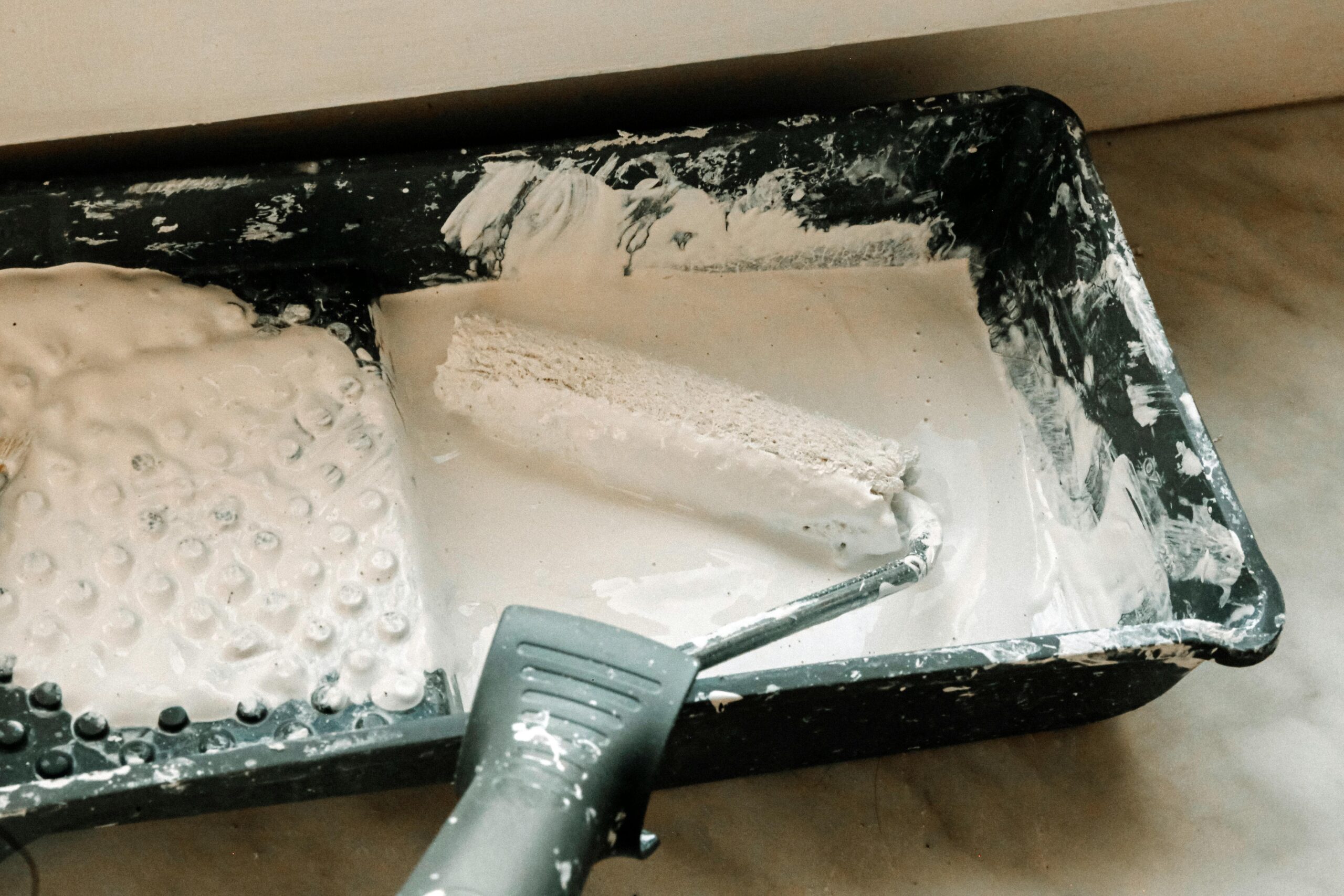 | Some bathroom paints are self-priming, but the surface still needs proper cleaning and preparation. If the ceiling is stained, damaged or uneven, a suitable primer may still be needed before painting. |
3. Understanding Finishes
The finish you choose affects how the room looks and how well the paint copes with moisture and cleaning. In bathrooms, the paint formula matters just as much as the sheen.
Here’s a simple guide:
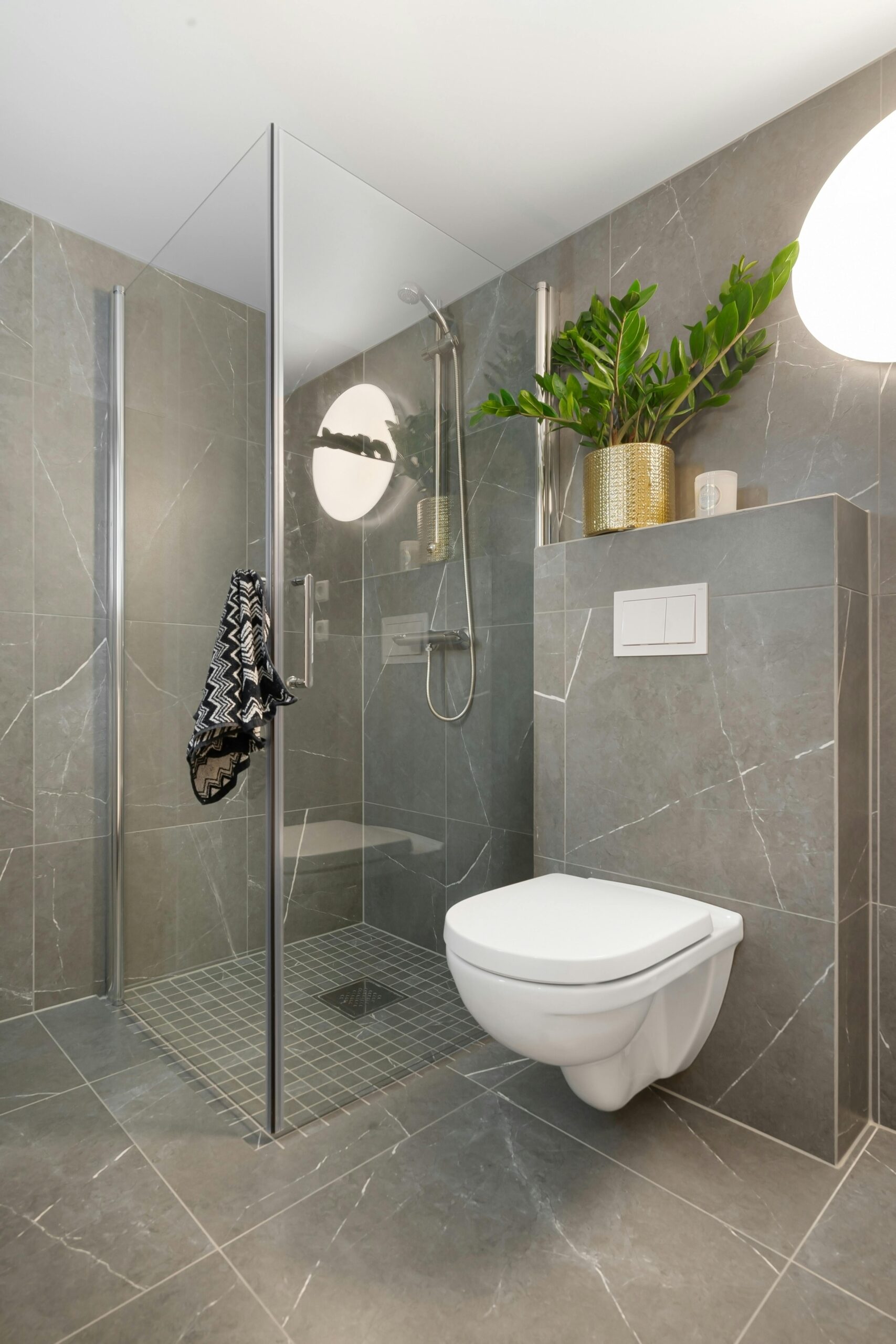 | Matt: Low sheen and softer in appearance. Use a specialist bathroom matt that is mould-resistant, washable and moisture-resistant. |
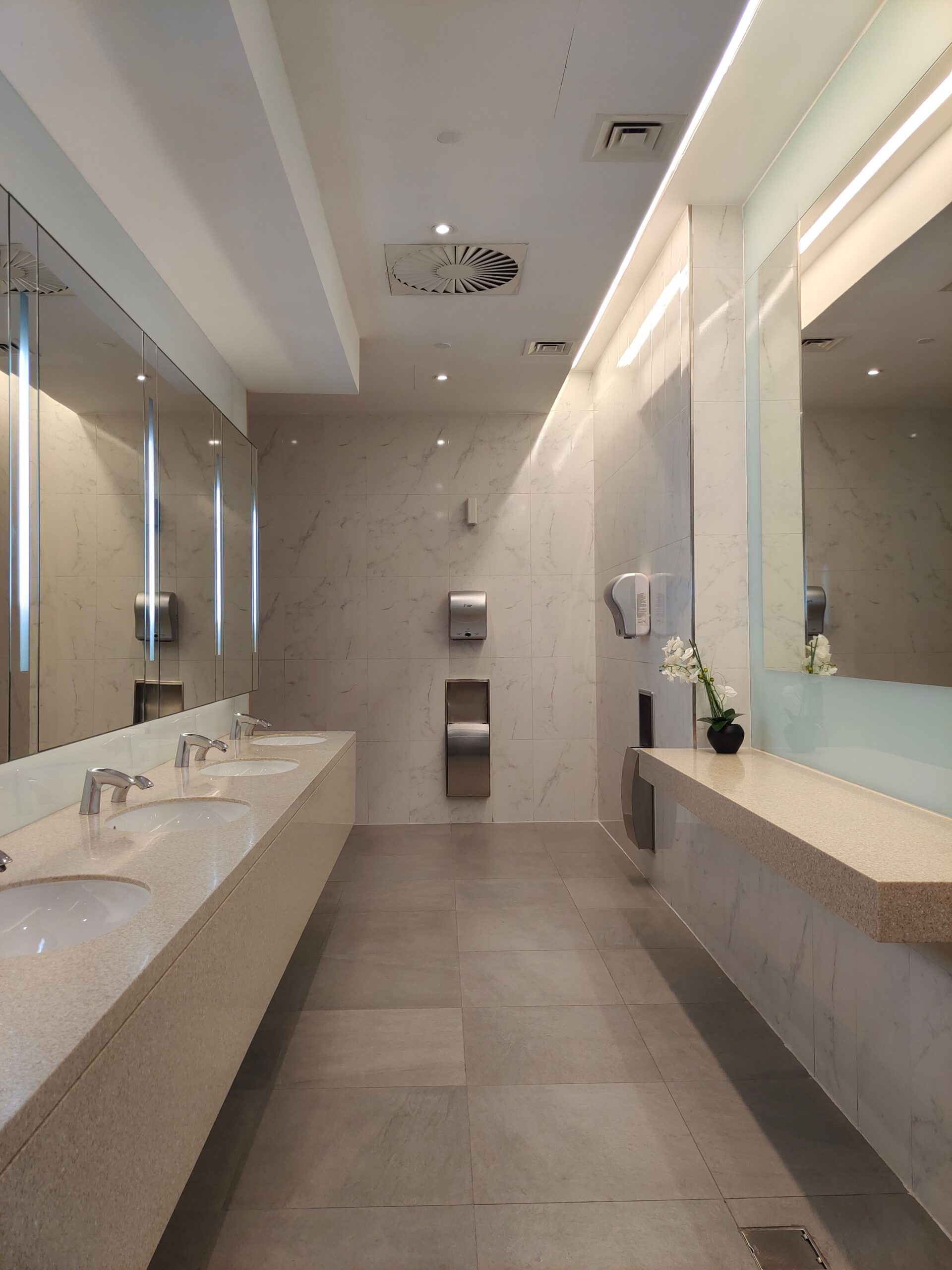 | Satin: Slightly smoother and easier to clean. A good choice for bathroom walls and ceilings where moisture resistance matters. |
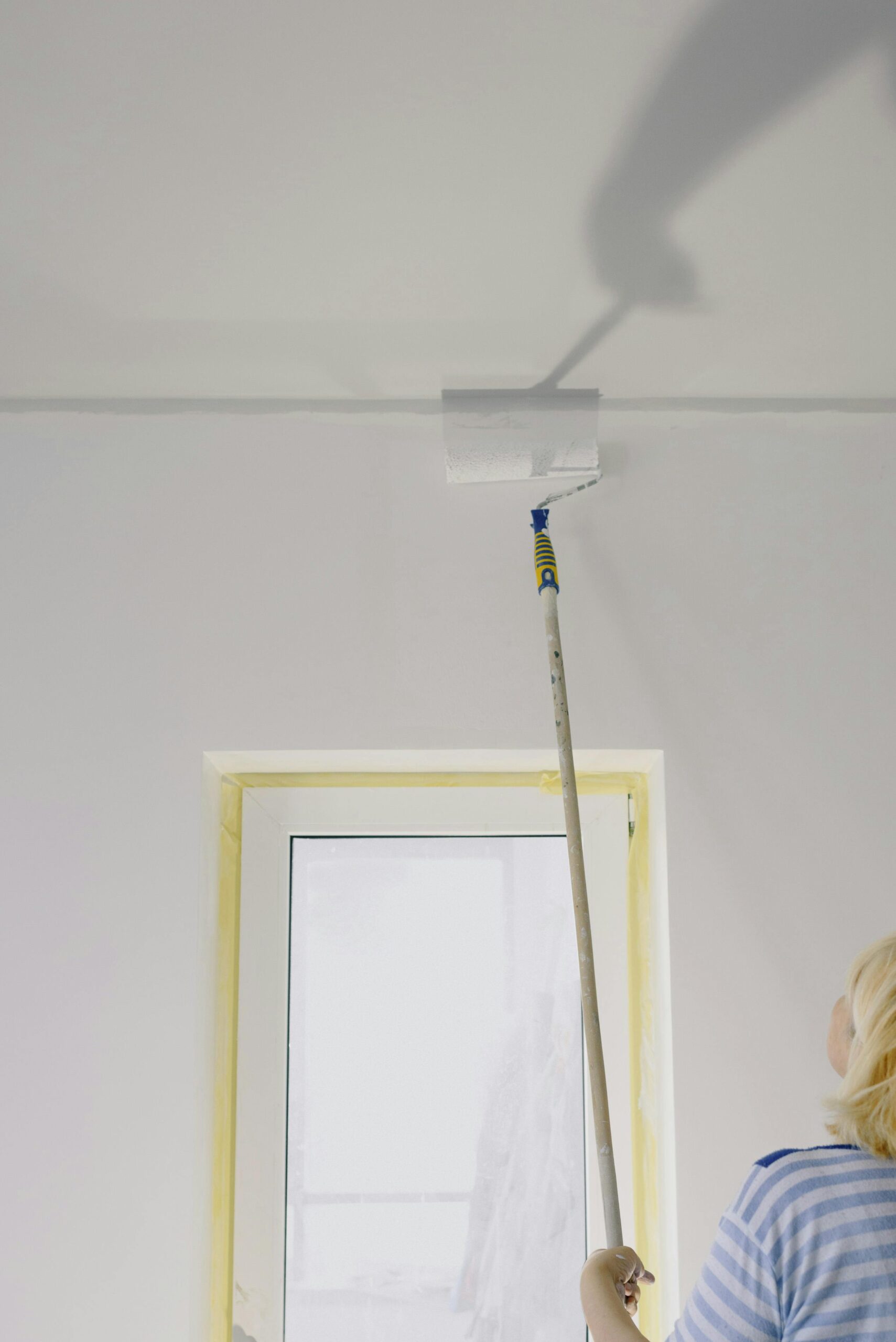 | Anti-mould paint: Designed for humid areas and can help protect the dried coating against fungal degradation. |
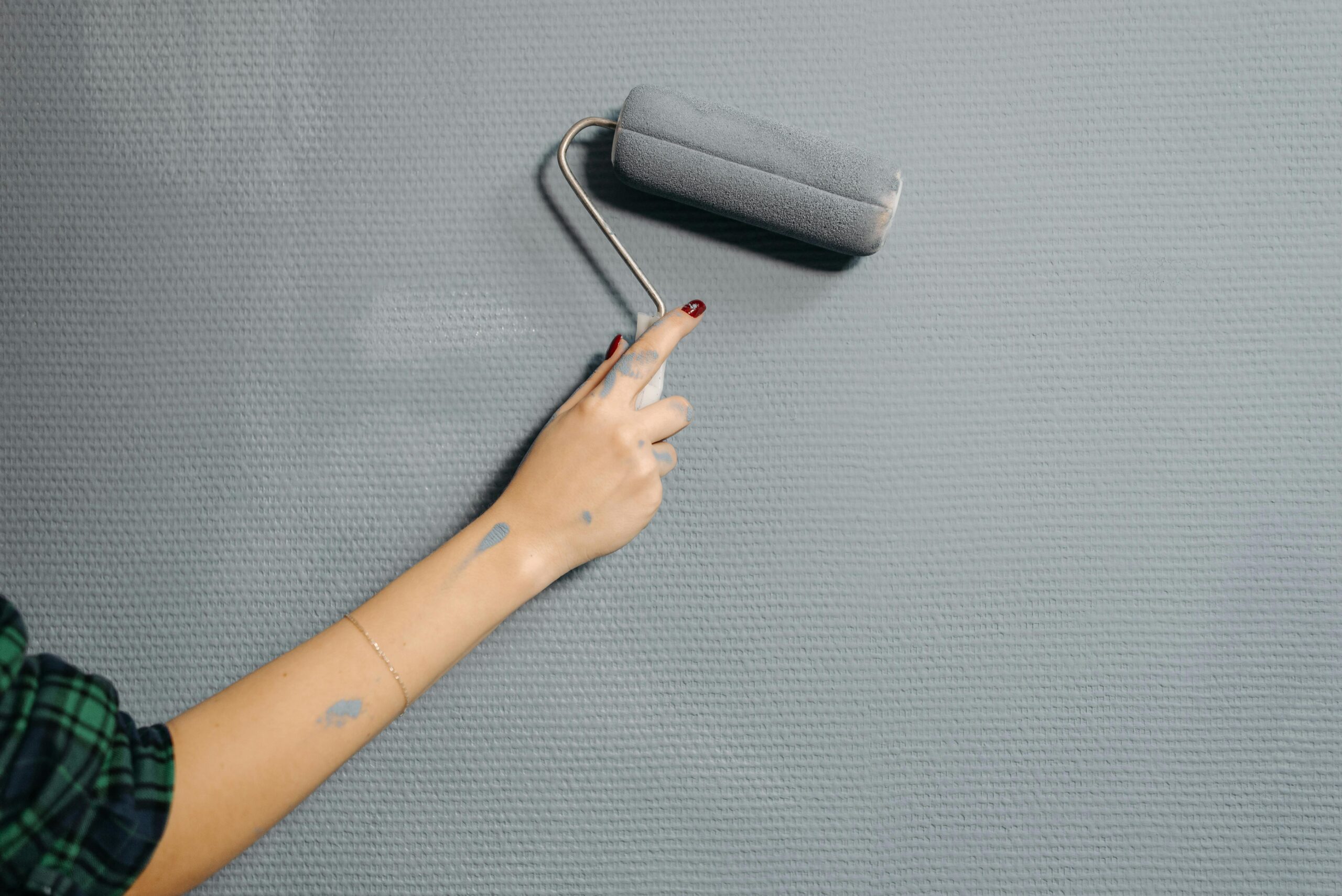 | Self-priming paint: Can stick to sound surfaces without sanding, although surfaces still need to be clean and dry first. |
Before choosing, think about the room’s ventilation, how steamy it gets, and how often the surfaces will need cleaning. A professional decorator can help you choose the right paint type and finish for the space.
Related Article:
| Ready to Transform Your Bathroom?If you want help from a local team in Bury and Bolton, Carlo Picasso Decorators is ready to step in. We can guide you through everything from colours to moisture-resistant finishes, so you don’t have to second-guess the final result. Get a Free Quote Explore Our Services |
FAQs about Bathroom Paints
What type of paint is best for a bathroom?
For most bathrooms, the best choice is a specialist mould-resistant bathroom paint in a matt or satin finish. Look for a water-based, low-odour paint that is washable, scrubbable, stain-resistant and moisture-resistant.
What type of paint is best for bathroom walls?
For bathroom walls, avoid standard interior paint and use a specialist bathroom paint made for high-humidity areas. A mould-resistant matt or satin finish is usually a strong choice, especially if it is designed to resist cracking, peeling and blistering for up to seven years before first maintenance.
What type of paint is best for bathroom ceilings?
Bathroom ceilings need paint that can cope with steam and condensation. A water-based, low-odour, mould-resistant paint in matt or satin can work well, as long as it is made for high-humidity areas and has a moisture-resistant finish.
Can I use regular paint in a bathroom?
You can, but it usually will not last as well. Regular interior paint often lacks the moisture resistance bathrooms need. In a damp, humid room, that can lead to peeling, flaking or mould over time.
Do I need a special primer for bathroom surfaces?
Not always. Some bathroom paints are self-priming and can stick to sound surfaces without sanding. However, if the surface is stained, damaged, glossy or uneven, a suitable primer may still be needed.
Note: This guide is intended for informational purposes. For personalised advice and professional bathroom painting, contact Carlo Picasso Decorators in Bury and Bolton.